Blog

  • Top Side Hustle 2025: Nigerians Can Earn ₦200k Monthly with SkoolMate EdTech

    Top Side Hustle 2025: Nigerians Can Earn ₦200k Monthly with SkoolMate EdTech

    As Nigeria’s gig economy grows, more people are looking for reliable side hustles that pay well and fit around their lifestyle. One of the most promising opportunities comes from SkoolMate, an education technology platform now recruiting commission-based sales agents across the country.

    EdTech on the Rise

    SkoolMate is an all-in-one school management system that digitizes everything from student records and results to staff management and communication. Importantly, it also includes a Computer-Based Test (CBT) module that allows schools to conduct internal exams digitally, curb malpractice, and better prepare students for external tests like WAEC, NECO, and JAMB.

    Industry observers say this feature sets SkoolMate apart in the crowded EdTech market, as schools increasingly adopt CBT to meet modern assessment standards.

    The Opportunity

    Under the new scheme, freelance agents will promote SkoolMate to school owners and administrators. For every subscribing school, agents earn 20% commission. With active participation, earnings could reach ₦50,000–₦200,000 monthly, alongside milestone bonuses for those closing multiple schools per month.

    Unlike a traditional 9–5 job, this side hustle offers flexibility. All that’s required is good communication skills, determination, and access to a smartphone with internet.

    Who Can Tap In?

    The opportunity is well-suited to:Teachers with wide school networks

    Freelancers looking for extra income

    Marketing professionals

    Young graduates and job seekers

    A Growing Trend

    Analysts note that roles like this are a reflection of Nigeria’s expanding gig economy, where performance-driven side hustles are becoming attractive alternatives to fixed employment. By tying income directly to results, agents can scale their earnings while helping schools transition into the digital era.

    How to Apply

    Interested applicants can contact SkoolMate directly:

    📱 WhatsApp: +234 813 018 4988

    📧 Email: enquiry@nucentury.org.ng

    With schools gearing up for the new academic session, demand for digital solutions is expected to rise sharply.

    For many, joining SkoolMate as a sales agent may prove to be one of the smartest side hustles of 2025.

  • SkoolMate Launches Commission-Based Sales Jobs in Nigeria | Earn ₦200k+ Monthly

    SkoolMate Launches Commission-Based Sales Jobs in Nigeria | Earn ₦200k+ Monthly

    SkoolMate, a leading education technology company focused on digitizing African schools, has announced a nationwide recruitment drive for commission-based sales agents in Nigeria.

    The initiative, according to the company, is designed to give self-driven individuals a chance to earn while promoting the adoption of school management technology across the country.

    “SkoolMate is simplifying school operations with our all-in-one solution. From student records to results, attendance, and communication, schools are finding it easier to run digitally. We also integrated a powerful Computer-Based Test (CBT) module that schools can use for internal exams, practice tests, and preparation for external examinations. This not only reduces malpractice but also builds students’ confidence in CBT formats widely used in WAEC, NECO, and JAMB,” the management said in a statement.

    Details of the Opportunity

    Agents will be tasked with pitching SkoolMate to schools in their areas.

    They will earn 20% commission for every school that subscribes.

    High performers stand to earn between ₦50,000 and ₦200,000+ monthly, with additional milestone bonuses.

    The role is flexible and freelance, requiring only communication skills, basic marketing ability, and access to a smartphone.

    Application Information

    Interested candidates are encouraged to reach out via:📱 WhatsApp: +234 813 018 4988

    📧 Email: enquiry@nucentury.org.ng

    The company emphasized that this opportunity is open to applicants nationwide, regardless of prior experience in technology or education.

  • Schools Embrace SkoolMate as New Academic Session Nears

    Schools Embrace SkoolMate as New Academic Session Nears

    As Nigerian schools prepare to resume in September, one education technology solution is quietly becoming the talk of school owners and administrators — SkoolMate, a homegrown school management system that is redefining how schools are run.

    Reports reaching our education desk indicate a surge in the number of schools onboarding the platform in recent weeks. Interestingly, the growth is not only coming from schools that are entirely new to digital solutions but also from institutions that had previously subscribed to other school management systems.

    When asked why they were making the switch, schools gave varying reasons. Some cited SkoolMate’s affordable pricing compared to other solutions on the market, others pointed to its ease of use. However, the standout reason mentioned by the majority is SkoolMate’s inbuilt Computer-Based Test (CBT) system, which they believe will help students prepare more effectively for external examinations such as JAMB and WAEC.

    One principal in Abuja noted: “With SkoolMate’s CBT feature, our students will get familiar with the same kind of environment they’ll face in JAMB. It’s a game-changer for us.”

    Another school administrator in Lagos added: “We were paying much more for another system that didn’t even have half of SkoolMate’s features. The fact that it’s cheaper and more transparent is why we moved.”

    Free 30-Day Access Wins Schools Over

    One of the strategies that seems to be paying off for SkoolMate is its 30-day free access to all features without any commitment. Unlike competitors who lock schools into contracts from the onset, SkoolMate says it believes school owners deserve fairness and transparency before making decisions that affect their institutions.

    Designed for All School Sizes

    SkoolMate is built to work seamlessly with both small private schools and large institutions. Among the features attracting attention are:

    Seamless student registration

    Built-in Computer-Based Test (CBT) exams

    Instant result calculation and computation

    Auto-generated report cards, shareable via email/WhatsApp and printable

    School owners say these tools not only save time and money but also reduce the stress of managing records and academic reports manually.

    The Future of School Management

    With Nigeria’s education sector facing increasing pressure to digitize and modernize, SkoolMate is positioning itself as more than just a management tool. It’s fast becoming a complete digital companion for schools.

    As September approaches, all signs point to more schools onboarding the platform. And with affordability, fairness, and innovation at its core, SkoolMate might just be the solution many institutions have been waiting for.

    For more details, schools can visit: SkoolMate Official Website.

  • Industry buzz and viral moments shaping public conversation

    Industry buzz and viral moments shaping public conversation

    From chart-topping singles to viral culinary stunts and high-profile births, Nigeria’s entertainment beat continues to generate headline-grabbing moments that double as social commentary. In the last 48 hours, celebrity newsrooms lit up with a mix of music releases, award chatter, and human-interest items that dominate timelines and conversation threads across social platforms. Entertainment outlets are also tracking an uptick in cross-continental collaborations as Nigerian artists tap global audiences and brands chase Afrobeats momentum.

    Beyond celebrity headlines, culture reporters note that food-and-record-breaking stunts — large communal cooking events and attempts at culinary world records — are being used to spotlight local cuisine and drive tourism interest. Social media metrics show that such cultural spectacles generate high engagement and help small businesses and artisans gain attention, but critics caution against the fleeting nature of viral fame and call for sustained structural support for creative industries: royalties systems, distribution deals, and production financing.

    Industry stakeholders say the immediate horizon looks promising: streaming revenues are rising, festivals are returning in force after pandemic slowdowns, and international interest remains high. The persistent challenge is turning virality into durable careers and building infrastructure — rights management, transparent revenue flows and scalable venues — that will keep the creative economy growing for the long term.

  • New regulatory tide — digital lending and crypto moves reshape fintech

    New regulatory tide — digital lending and crypto moves reshape fintech

    Nigeria’s fintech sector — long a hotbed for innovation and controversy — is experiencing a regulatory reset. In recent weeks regulators have rolled out new frameworks aimed at reining in predatory digital-lending practices and clarifying the status of digital assets. The measures seek to protect consumers from abusive interest rates and data-privacy violations while simultaneously signalling that the ecosystem can mature within clearer legal guardrails.

    For lenders and startups, the new rules mean greater compliance costs and an expectation of tighter disclosures; for consumers, proponents say the policies should reduce exploitative behaviour that has harmed vulnerable borrowers. Meanwhile, broader moves to recognize or regulate stablecoins and other crypto instruments — putting them within securities or payment frameworks — suggest Nigeria is trying to balance innovation with risk management, especially after past closures and enforcement actions against unregulated crypto platforms.

    Investors will watch whether the new regime attracts fresh capital or prompts a short-term slowdown as firms adjust. Ultimately, the test will be whether regulation fosters sustainable lending models and reliable digital payments that expand access to credit and savings without recreating old harms. Fintech founders say the path forward requires regulators and industry to co-design workable compliance roadmaps and consumer education programmes.

  • Inflation, exchange rates and the social squeeze

    Inflation, exchange rates and the social squeeze

    Economic indicators released and reported this week paint a mixed picture: headline inflation has shown modest movement, but everyday Nigerians continue to feel pressure from food costs, utility bills and transport fares. Market trackers note that the naira — after months of volatility — has shown periods of stabilization in H1 2025, yet consumer purchasing power remains fragile in towns and cities where wages have not kept pace with rising costs.

    The fiscal picture is complicated by strong upstream revenues in parts of the energy sector even as government revenues face structural constraints; recent corporate earnings roundups suggest that a set of large companies posted strong mid-year revenues despite a rocky macro environment. Still, the day-to-day reality for many households is a “squeeze” scenario: families are rationing spending on health and education, and social safety nets are unevenly distributed.

    Policy responses under discussion include targeted cash transfers, expanded food subsidy pilots, and renewed dialogue about a living wage — all of which hinge on fiscal space and international investor confidence. Economists caution that short-term fixes without structural reforms (tax base widening, supply-side interventions in agriculture, and improved public service delivery) will only delay hard adjustments. For Nigerians dependent on informal incomes, the window for relief is narrow; the next policy moves from Abuja will be watched closely by markets and civil society alike.

  • Public anger as proposed pay rises for top officials resurfaces

    Public anger as proposed pay rises for top officials resurfaces

    A fresh flashpoint in Nigeria’s public debate opened today as a proposal to increase salaries and allowances for the president and other senior officeholders sparked widespread criticism from labour groups, opposition parties and civil society. The plan, described by proponents inside the government as an effort to realign official compensation with rising governance demands, has been met by immediate backlash: critics say any augmentation is tone-deaf while many Nigerians struggle with stagnant incomes, high food prices and persistent service shortfalls.

    Opposition leaders and union spokespeople argue that an increase for top officials should not be prioritised while calls for a meaningful national minimum wage adjustment go unheeded. Supporters within fiscal management circles counter that allowances and pay must be competitive to curb corruption and attract qualified talent, and some independent fiscal bodies have been quoted making that case. The debate is playing out in parliament and social media simultaneously, producing protests and a spike in commentary about governance priorities and accountability.

    Observers say the political risk for the government is twofold: first, alienating a public sensitive to inequality, and second, providing opposition groups with a potent rallying cry heading into local and national contests. How the administration responds — whether with an outright shelve of the proposal, a reworked compensation package, or a broader economic concession (such as minimum wage negotiations) — will shape public sentiment in the weeks ahead.

  • Airstrikes near Cameroon border kill scores of militants

    Airstrikes near Cameroon border kill scores of militants

    A sharp uptick in military activity in Nigeria’s northeast culminated this weekend in a high-impact air campaign that the Nigerian Air Force says neutralised a significant militant grouping near the Cameroon border. According to military briefings, precision strikes were carried out after intelligence reported fighters massing and preparing to attack ground troops; initial tallies put the death toll among militants in the mid-30s. The operation also restored critical communications to embattled army positions and allowed ground units to consolidate their lines.

    Local humanitarian sources warn that while strikes disrupt planned attacks, they also risk displacing civilians already living under chronic insecurity — a long-running consequence of the Boko Haram/ISWAP insurgency that has fuelled years of population displacement across Borno and neighbouring states. Aid agencies are calling for stricter safeguards and clearer civilian-protection protocols alongside kinetic operations; they say access corridors and rapid needs assessments must be activated to prevent a fresh humanitarian surge.

    Security analysts describe the strikes as tactical successes but say they are unlikely to end the insurgency without synchronized political, economic and stabilisation measures: community policing, restoration of services, and stronger cross-border coordination with Cameroon and Niger. For many residents, security gains are judged in weeks and months, not single operations — and the resilience of militant networks, plus rising gang violence in other regions, means Nigerians are watching developments warily.

  • Troops Report Deadly Strike on Boko Haram Commanders; Nigeria-Ghana Relations Cooled Then Reassured

    Troops Report Deadly Strike on Boko Haram Commanders; Nigeria-Ghana Relations Cooled Then Reassured

    Military briefings released today say Joint Task Force operations in Borno eliminated nine Boko Haram fighters, including two commanders, in coordinated air-and-ground strikes. The operation fits a steady pattern of pressure on insurgent leadership pockets, though experts warn the group adapts quickly and that community-level stabilization and reconstruction are essential to prevent recidivism. Regionally, newspapers and opinion pages also reported on a diplomatic moment between Nigeria and Ghana. After recent social tensions and protests involving Nigerians in Ghana, Ghanaian President John Mahama publicly urged calm and emphasised no room for xenophobia — a tone aimed at reassurance and rebuilding the historically close ties between the two countries. Analysts see this as a timely step to protect trade, remittances and cross-border communities.

  • Signs of Macroeconomic Shifts: Balance-of-Payments, Jobs and Food Programs

    Signs of Macroeconomic Shifts: Balance-of-Payments, Jobs and Food Programs

    Bloomberg’s analysis this morning flagged a notable development: Nigeria recorded its first balance-of-payments surplus in three years for 2024 after reforms that boosted oil and gas production and tightened currency management, although challenges remain in translating macro gains into broad-based income improvements. The surplus is an important signal to investors, but living-cost pressures and unemployment remain headline risks for households.

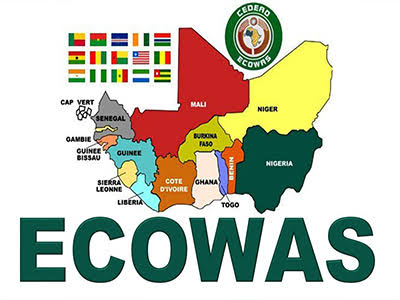
    On the social program front, ECOWAS initiatives promoting €4.5m in school-feeding models aim to combine nutrition with local procurement, hoping to support both child welfare and smallholder farmers. Locally, state governments continue school renovations and empowerment projects — notable stories today point to school turnarounds and vocational programs reaching thousands of pupils. Implementation fidelity and budget follow-through will be key measures to watch.

    At the state level, Lagos’s proposed innovation fund was pitched as also having a social angle: by accelerating startups, the government hopes to boost job creation for youth and create linkages to skill-training pipelines — but observers caution that job quality and sustainability (formal contracts, benefits) must be monitored if the program is to deliver meaningful welfare improvements.