Bloomberg’s analysis this morning flagged a notable development: Nigeria recorded its first balance-of-payments surplus in three years for 2024 after reforms that boosted oil and gas production and tightened currency management, although challenges remain in translating macro gains into broad-based income improvements. The surplus is an important signal to investors, but living-cost pressures and unemployment remain headline risks for households.
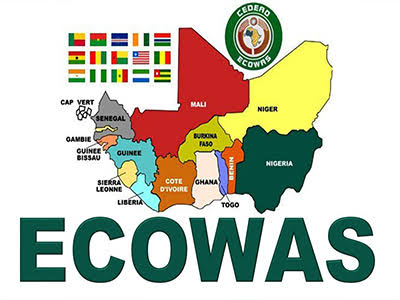
On the social program front, ECOWAS initiatives promoting €4.5m in school-feeding models aim to combine nutrition with local procurement, hoping to support both child welfare and smallholder farmers. Locally, state governments continue school renovations and empowerment projects — notable stories today point to school turnarounds and vocational programs reaching thousands of pupils. Implementation fidelity and budget follow-through will be key measures to watch.
At the state level, Lagos’s proposed innovation fund was pitched as also having a social angle: by accelerating startups, the government hopes to boost job creation for youth and create linkages to skill-training pipelines — but observers caution that job quality and sustainability (formal contracts, benefits) must be monitored if the program is to deliver meaningful welfare improvements.
Leave a Reply