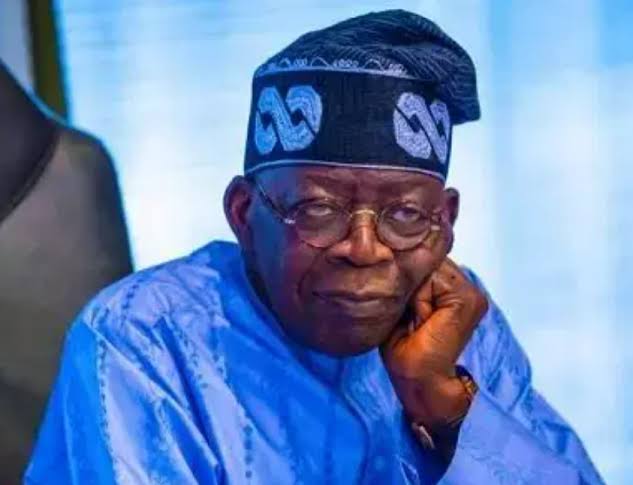
A fresh flashpoint in Nigeria’s public debate opened today as a proposal to increase salaries and allowances for the president and other senior officeholders sparked widespread criticism from labour groups, opposition parties and civil society. The plan, described by proponents inside the government as an effort to realign official compensation with rising governance demands, has been met by immediate backlash: critics say any augmentation is tone-deaf while many Nigerians struggle with stagnant incomes, high food prices and persistent service shortfalls.
Opposition leaders and union spokespeople argue that an increase for top officials should not be prioritised while calls for a meaningful national minimum wage adjustment go unheeded. Supporters within fiscal management circles counter that allowances and pay must be competitive to curb corruption and attract qualified talent, and some independent fiscal bodies have been quoted making that case. The debate is playing out in parliament and social media simultaneously, producing protests and a spike in commentary about governance priorities and accountability.
Observers say the political risk for the government is twofold: first, alienating a public sensitive to inequality, and second, providing opposition groups with a potent rallying cry heading into local and national contests. How the administration responds — whether with an outright shelve of the proposal, a reworked compensation package, or a broader economic concession (such as minimum wage negotiations) — will shape public sentiment in the weeks ahead.
Leave a Reply