
Category: Security

  • Airstrikes near Cameroon border kill scores of militants

    Airstrikes near Cameroon border kill scores of militants

    A sharp uptick in military activity in Nigeria’s northeast culminated this weekend in a high-impact air campaign that the Nigerian Air Force says neutralised a significant militant grouping near the Cameroon border. According to military briefings, precision strikes were carried out after intelligence reported fighters massing and preparing to attack ground troops; initial tallies put the death toll among militants in the mid-30s. The operation also restored critical communications to embattled army positions and allowed ground units to consolidate their lines.

    Local humanitarian sources warn that while strikes disrupt planned attacks, they also risk displacing civilians already living under chronic insecurity — a long-running consequence of the Boko Haram/ISWAP insurgency that has fuelled years of population displacement across Borno and neighbouring states. Aid agencies are calling for stricter safeguards and clearer civilian-protection protocols alongside kinetic operations; they say access corridors and rapid needs assessments must be activated to prevent a fresh humanitarian surge.

    Security analysts describe the strikes as tactical successes but say they are unlikely to end the insurgency without synchronized political, economic and stabilisation measures: community policing, restoration of services, and stronger cross-border coordination with Cameroon and Niger. For many residents, security gains are judged in weeks and months, not single operations — and the resilience of militant networks, plus rising gang violence in other regions, means Nigerians are watching developments warily.
  • Troops Report Deadly Strike on Boko Haram Commanders; Nigeria-Ghana Relations Cooled Then Reassured

    Troops Report Deadly Strike on Boko Haram Commanders; Nigeria-Ghana Relations Cooled Then Reassured

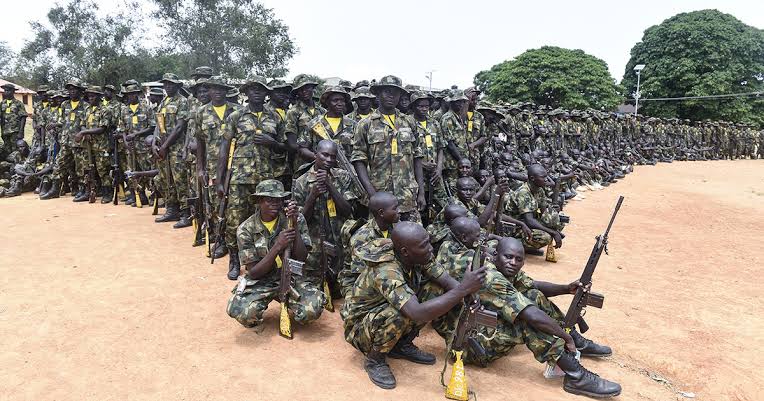
    Military briefings released today say Joint Task Force operations in Borno eliminated nine Boko Haram fighters, including two commanders, in coordinated air-and-ground strikes. The operation fits a steady pattern of pressure on insurgent leadership pockets, though experts warn the group adapts quickly and that community-level stabilization and reconstruction are essential to prevent recidivism. Regionally, newspapers and opinion pages also reported on a diplomatic moment between Nigeria and Ghana. After recent social tensions and protests involving Nigerians in Ghana, Ghanaian President John Mahama publicly urged calm and emphasised no room for xenophobia — a tone aimed at reassurance and rebuilding the historically close ties between the two countries. Analysts see this as a timely step to protect trade, remittances and cross-border communities.

  • Nigeria Deepens Strategic Partnerships at TICAD 9; President Reaffirms Local Defence Push

    Nigeria Deepens Strategic Partnerships at TICAD 9; President Reaffirms Local Defence Push

    Nigeria’s delegation at TICAD 9 moved beyond routine diplomacy to secure technical and investment conversations aimed at boosting oil & gas production, energy infrastructure, and domestic defence capabilities.

    Officials reported intensive discussions with Japanese agencies and development partners over targeted funding, technology transfer, and co-investment models designed to accelerate Nigeria’s upstream and downstream energy capacity. The talks included proposals for collaborative projects that would pair Japanese engineering and financing with Nigerian resource and regulatory frameworks.

    Back in Abuja, the State House formal statements underscored President Bola Ahmed Tinubu’s renewed emphasis on local manufacturing of military hardware. Presidency communiqués framed the push as both a sovereignty and jobs strategy — reducing reliance on foreign suppliers while stimulating domestic engineering, manufacturing, and skills development across defence value chains.

    Analysts say this is consistent with the administration’s broader industrial agenda tied to the $1-trillion-by-2030 economic vision. Pragmatic questions remain on timelines and procurement policy: procurement transparency, financing terms, and how local OEMs will meet technical certification standards.

    For communities, the immediate promise lies in job creation from local assembly lines; for policy watchers, the test will be whether concrete, signed MOUs and financing commitments emerge from TICAD follow-ups.