
Category: Welfare

  • Inflation, exchange rates and the social squeeze

    Inflation, exchange rates and the social squeeze

    Economic indicators released and reported this week paint a mixed picture: headline inflation has shown modest movement, but everyday Nigerians continue to feel pressure from food costs, utility bills and transport fares. Market trackers note that the naira — after months of volatility — has shown periods of stabilization in H1 2025, yet consumer purchasing power remains fragile in towns and cities where wages have not kept pace with rising costs.

    The fiscal picture is complicated by strong upstream revenues in parts of the energy sector even as government revenues face structural constraints; recent corporate earnings roundups suggest that a set of large companies posted strong mid-year revenues despite a rocky macro environment. Still, the day-to-day reality for many households is a “squeeze” scenario: families are rationing spending on health and education, and social safety nets are unevenly distributed.

    Policy responses under discussion include targeted cash transfers, expanded food subsidy pilots, and renewed dialogue about a living wage — all of which hinge on fiscal space and international investor confidence. Economists caution that short-term fixes without structural reforms (tax base widening, supply-side interventions in agriculture, and improved public service delivery) will only delay hard adjustments. For Nigerians dependent on informal incomes, the window for relief is narrow; the next policy moves from Abuja will be watched closely by markets and civil society alike.
  • Signs of Macroeconomic Shifts: Balance-of-Payments, Jobs and Food Programs

    Signs of Macroeconomic Shifts: Balance-of-Payments, Jobs and Food Programs

    Bloomberg’s analysis this morning flagged a notable development: Nigeria recorded its first balance-of-payments surplus in three years for 2024 after reforms that boosted oil and gas production and tightened currency management, although challenges remain in translating macro gains into broad-based income improvements. The surplus is an important signal to investors, but living-cost pressures and unemployment remain headline risks for households.

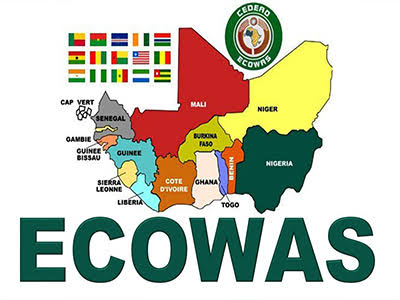
    On the social program front, ECOWAS initiatives promoting €4.5m in school-feeding models aim to combine nutrition with local procurement, hoping to support both child welfare and smallholder farmers. Locally, state governments continue school renovations and empowerment projects — notable stories today point to school turnarounds and vocational programs reaching thousands of pupils. Implementation fidelity and budget follow-through will be key measures to watch.

    At the state level, Lagos’s proposed innovation fund was pitched as also having a social angle: by accelerating startups, the government hopes to boost job creation for youth and create linkages to skill-training pipelines — but observers caution that job quality and sustainability (formal contracts, benefits) must be monitored if the program is to deliver meaningful welfare improvements.